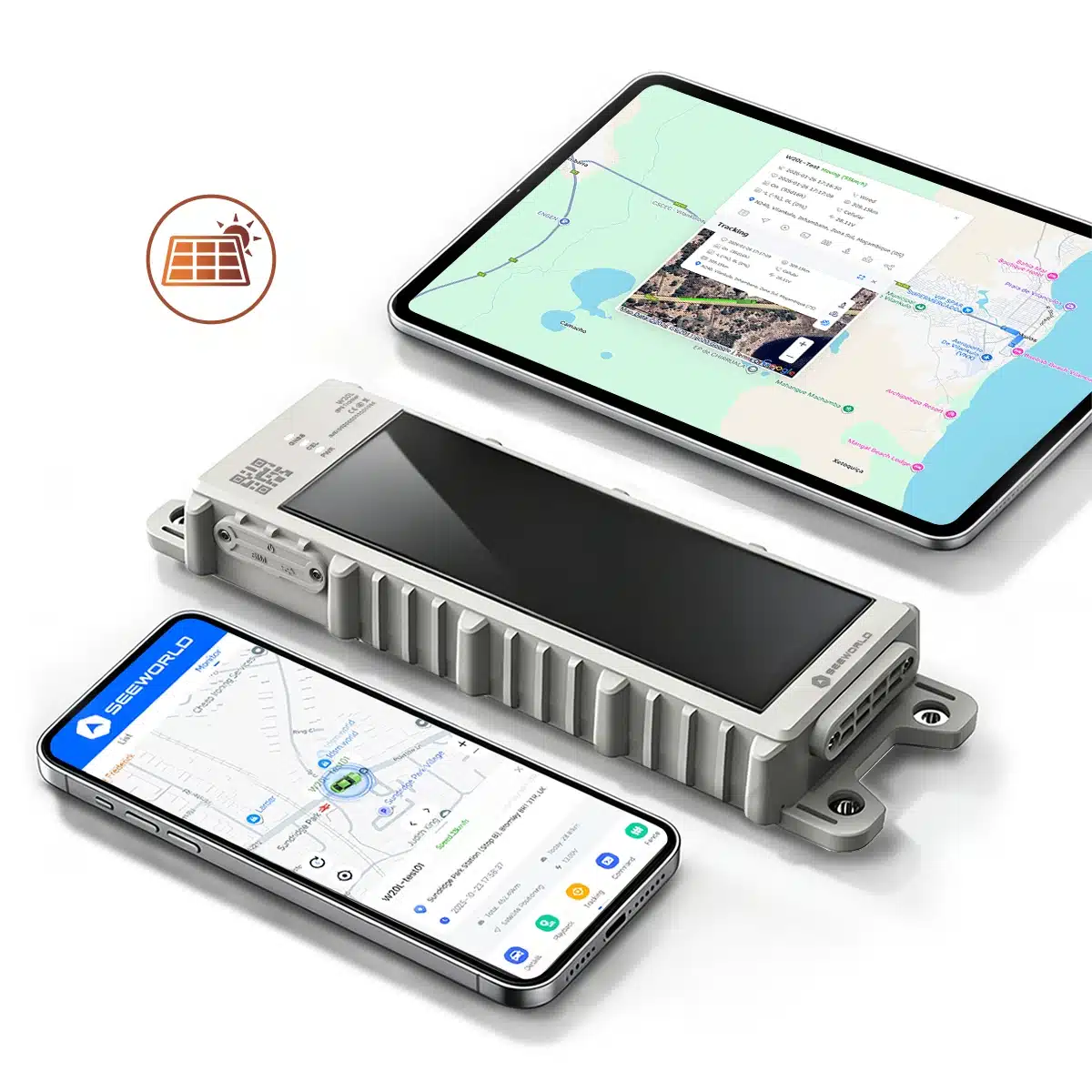
Nowadays, asset management is becoming more and more essential for organizations to achieve optimal asset utilization, control costs, ensure regulatory compliance, and enhance productivity. It provides a foundation for efficient operations and enables organizations to achieve their strategic objectives.

Challenges
However, there are some drawbacks and challenges in asset management that cannot be neglected. Such as limited visibility and control, manual and time-consuming processes, asset tracking, loss prevention, and so on.
GPS Tracking Technology & Asset Management Solutions
In this regard, GPS tracking technology can be adopted to address these problems. It has a significant influence on asset management, providing numerous benefits and improving operational efficiency. Here are some ways in which GPS technology influences asset management:
- Real-time Asset Tracking: GPS technology enables real-time tracking of assets, allowing asset managers to monitor their location, movement, and status at any given time. This provides a comprehensive view of asset locations, facilitating better visibility and control over the entire asset inventory.
- Improved Asset Utilization: By accurately tracking assets through GPS technology, asset managers can optimize asset utilization. They can identify underutilized or idle assets and make informed decisions regarding their deployment, leading to better resource allocation and increased operational efficiency.

- Enhanced Asset Security: GPS tracking enhances asset security by enabling rapid response to theft or unauthorized movement. Asset managers can set up geofencing alerts to receive notifications when assets deviate from predefined boundaries, helping prevent theft and improving asset recovery rates.
- Efficient Maintenance and Service: GPS technology assists in proactive maintenance and service scheduling based on asset usage and location data. Asset managers can monitor asset performance, track service intervals, and receive timely alerts for maintenance or repairs, reducing downtime and extending asset lifespan.

Conclusion
Overall, GPS technology plays a crucial role in asset management by enabling real-time tracking, improving asset utilization, enhancing security, facilitating efficient maintenance and service, streamlining inventory management, optimizing route planning, ensuring compliance and reporting accuracy. Therefore, implementing alternative tracking methods or adopting GPS technology would be essential for the future development of asset management practices.